Overview
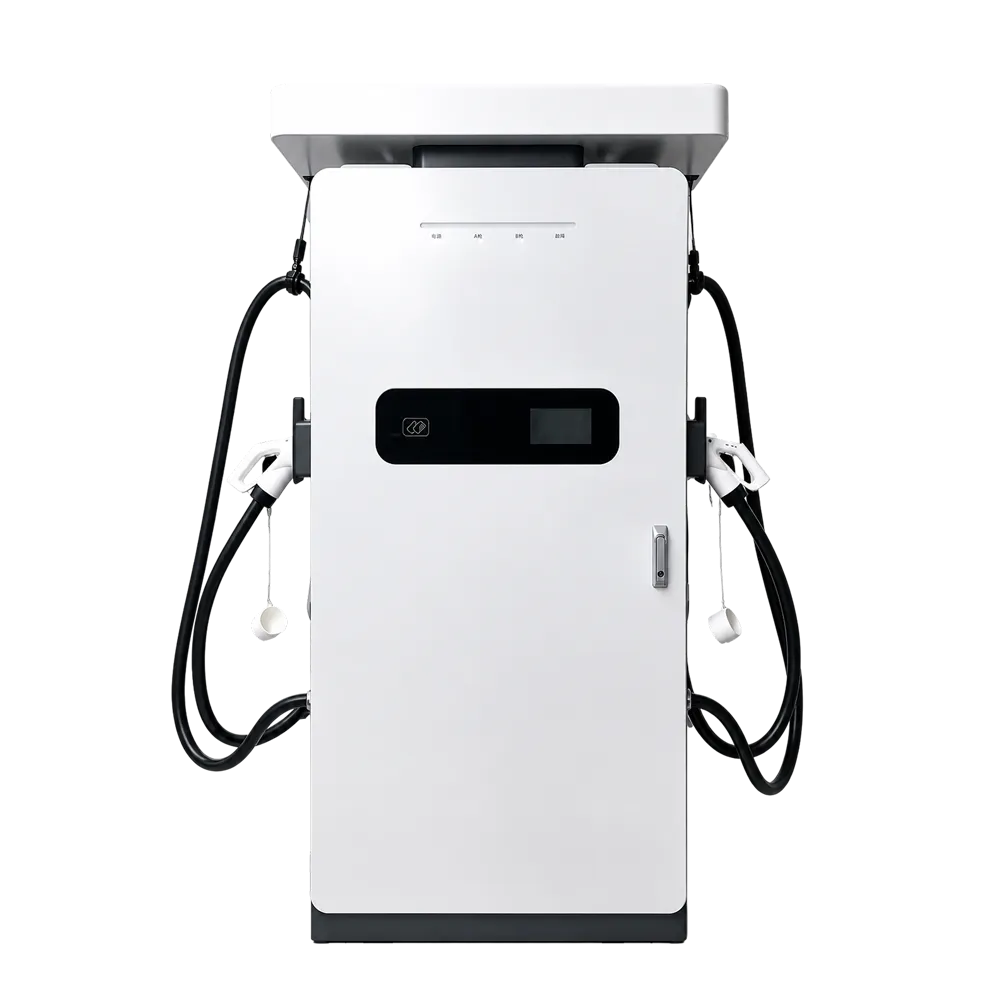
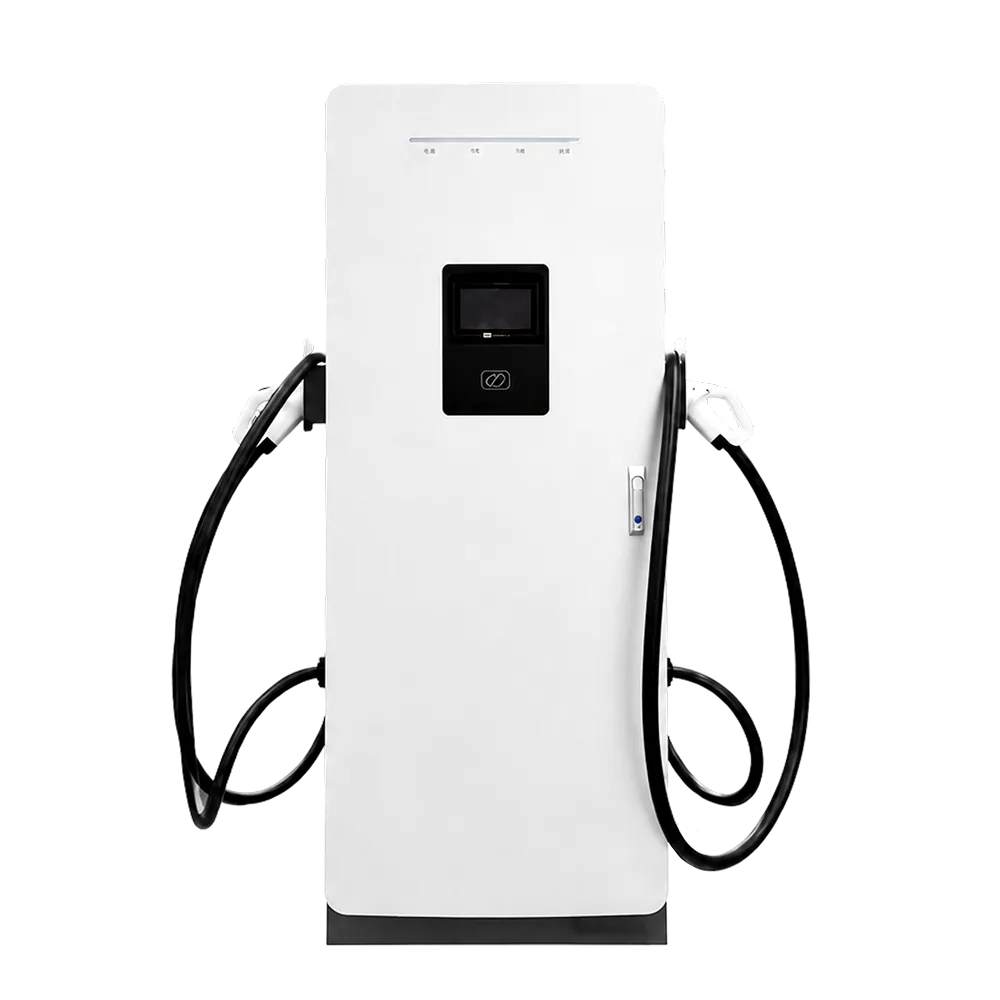
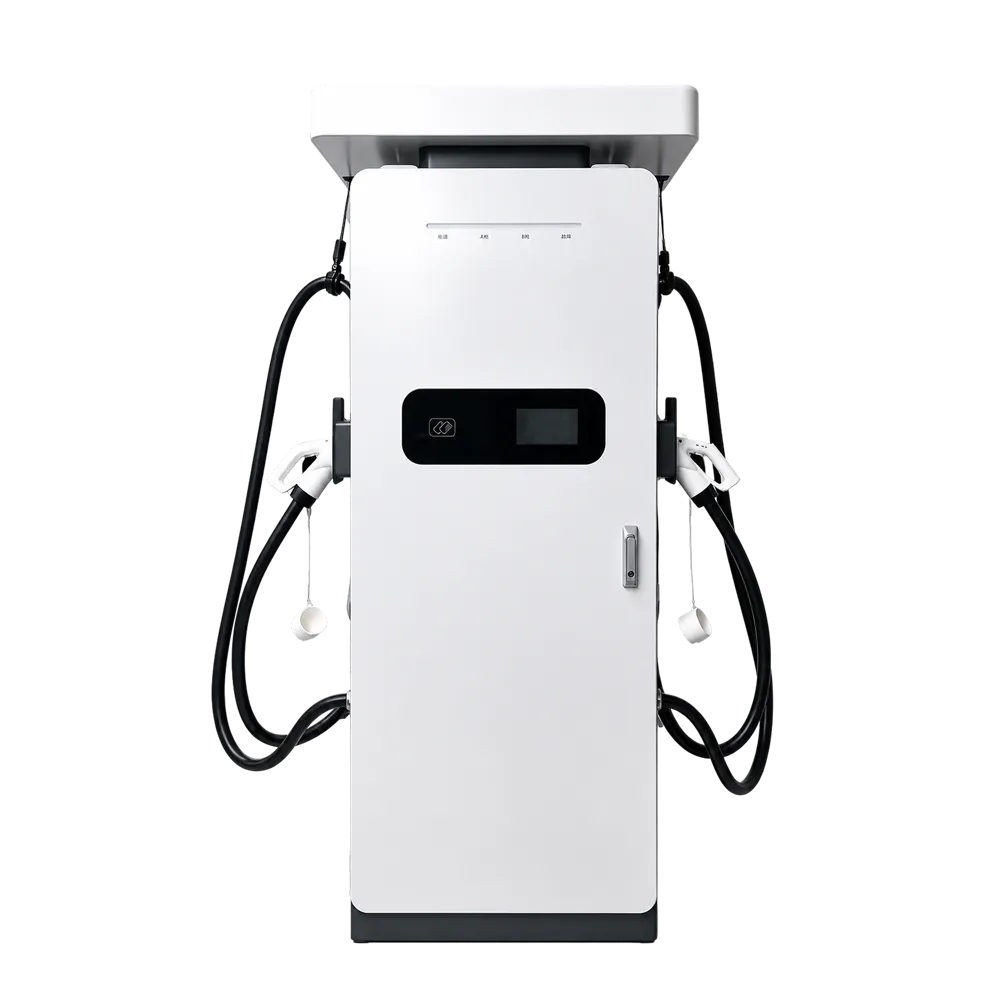
The Klitv 120–240 kW DC fast charger is designed for the highest-demand public and semi-public charging scenarios: highway rest stops, dedicated EV charging hubs, bus and coach terminals, and large commercial and industrial sites where vehicle throughput is measured in sessions per hour rather than sessions per day.
At 180 kW, the unit delivers up to 90 km of range per 10 minutes of charging for compatible vehicles — sufficient to serve the needs of long-distance travellers who stop for 20–30 minutes while on a journey. This positions the 120–240 kW unit as the correct product for any operator building highway-adjacent or high-footfall charging infrastructure that needs to serve as many vehicles as possible per bay per day.
Target Deployment: Highway Charging
A highway charging stop typically needs to process 15–25 vehicles per bay per day during peak periods. At 180 kW, a single gun can deliver 30 minutes of charging to a vehicle in 30 minutes — keeping bays available and queues short. The economics of highway charging require high throughput to justify the grid connection upgrade investment, and 180 kW is the threshold at which highway charging becomes a commercially viable standalone proposition rather than a loss-leader amenity.
Technical Design
Multi-Platform Payment Architecture
Unlike entry-level DC chargers that support only RFID and QR code, the 120–240 kW unit integrates direct connectivity with four payment and access platforms:
- Wired network — direct integration with CPO CMS via Ethernet
- 4G LTE — standalone connectivity without site Wi-Fi
- WeChat Pay — native WeChat mini-program payment via QR code
- Alipay — direct Alipay transaction processing
This multi-platform architecture means the charger can process payments from virtually any smartphone-equipped driver without requiring network membership, making it optimal for public highway locations where ad-hoc drivers represent a significant portion of users.
Simplified Driver Interface
Unlike the 60–80 kW unit’s full touch screen, the 120–240 kW unit uses a simplified interface: a charging status LED indicator (showing idle, connected, charging, fault states in different colours) and a static QR code on the front panel. This design choice reduces HMI complexity and maintenance requirements at high-traffic sites while maintaining full payment functionality.
Protection and Safety
At 180 kW, the electrical safety requirements are more stringent than lower-power units. Protection functions include:
- Leakage protection — insulation monitoring on both input and output circuits
- Electromagnetic lock — mechanical lock engages on the charging gun when a session is active, preventing accidental disconnection under load
- Connection detection — confirms valid connection to vehicle before enabling output
- Emergency stop — physical emergency stop button accessible from both sides of the unit
Installation Requirements
Grid Connection
The 180 kW unit requires a three-phase 380V supply with a minimum 400A per-phase capacity at the distribution board. For highway rest stop deployments with multiple units, the total grid connection requirement should be calculated with the site electrical engineer, factoring in simultaneous charging load scenarios and diversity factors.
Civil and Structural
The 750 × 500 × 1850 mm enclosure requires a concrete foundation pad with ground anchor bolts to the specification in the installation manual. Due to the higher-current cable connections at 180 kW, cable cross-section calculations are more critical than for lower-power units — Klitv provides detailed cable sizing guidance with each project quotation.
Comparison: 60–80 kW vs. 120–240 kW
| Parameter | 60–80 kW | 120–240 kW |
|---|---|---|
| Range added per 30 min | ~350 km | ~650 km |
| Typical dwell scenario | Retail, fleet, office | Highway, transport hub |
| HMI | Full touch screen | Status indicator + QR |
| Payment | Card + QR | Card + QR + 4G + WeChat + Alipay |
| Grid requirement | 160A three-phase | 400A three-phase |
| Noise | ≤65 dB | ≤65 dB |