Overview
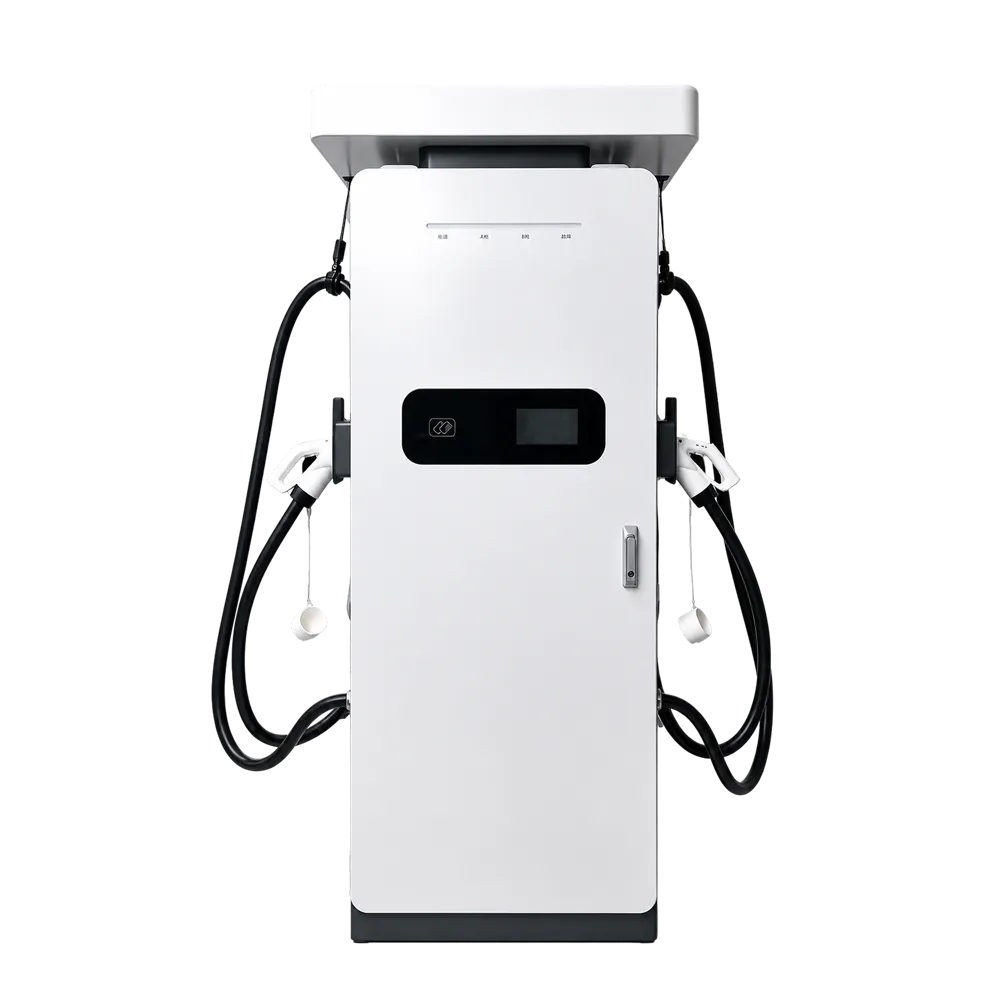
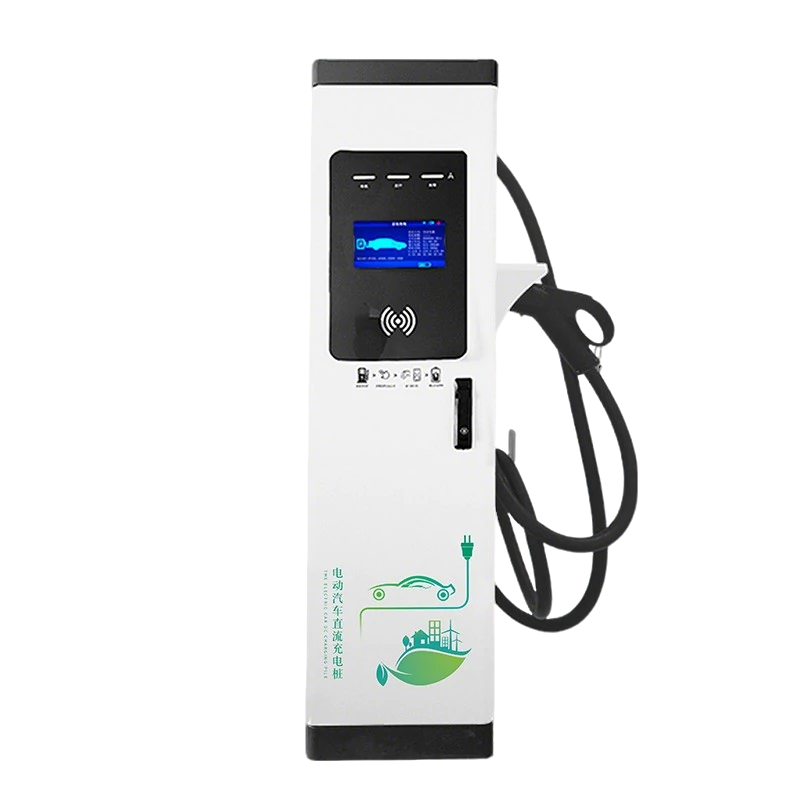
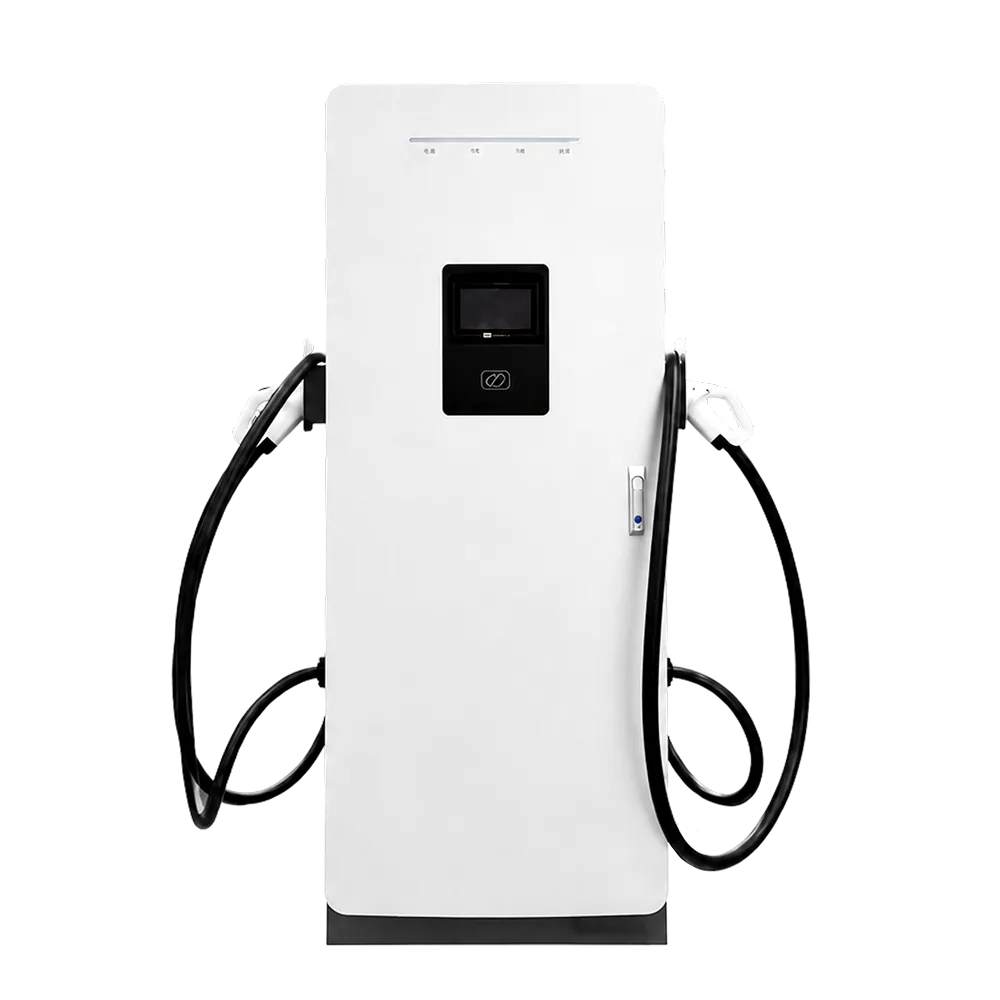
The Klitv 60–80 kW DC fast charger occupies the mid-range of the commercial charging market — delivering meaningfully faster sessions than entry-level 20–40 kW units while remaining within the grid and civil infrastructure budget of most commercial car park and fleet depot projects.
At 80 kW, the charger adds approximately 350–400 km of range in 30 minutes for vehicles with sufficient battery capacity and DC charge acceptance — covering virtually all modern BEVs. This makes it suitable for retail and commercial sites where shoppers or visitors dwell for 30–60 minutes, as well as fleet operations that require partial charges between shift cycles.
Technical Design
Noise Reduction vs. Entry-Level DC
The 60–80 kW unit achieves a maximum noise level of ≤65 dB at 1 metre — 15 dB quieter than the 20–40 kW unit. This reduction comes from a larger forced-air cooling system with slower-spinning, higher-capacity fans rather than the smaller high-speed fans required in the more compact 20–40 kW enclosure. For deployments in noise-sensitive environments — shopping centres, hotel car parks, residential complexes — the 60–80 kW unit is the preferred DC option.
Fault Management and Remote Control
A key operational feature is the comprehensive remote fault management system. When any protection event occurs (overvoltage, overcurrent, overtemperature, short circuit), the charger:
- Automatically cuts off output to the vehicle
- Logs the fault with timestamp, fault code, and session data
- Sends an alarm notification to the connected CMS
- Waits for either automatic recovery (for transient faults) or remote reset via CMS
This automated fault response prevents vehicle damage and reduces the operator response time from site inspection to remote diagnosis and resolution — critical for unmanned public sites.
Remote Monitoring Integration
The unit continuously uploads session data to the connected CMS including:
- Real-time power delivery (kW)
- Session energy (kWh)
- User authentication (IC card or QR transaction ID)
- Fault and alarm events
- Revenue and billing records
The CMS can also send remote commands including scheduled start/stop, charging profile adjustments (SetChargingProfile via OCPP), and remote reboot.
Use Case: Commercial Car Park Deployment
A typical 60–80 kW deployment for a 200-space commercial car park might consist of:
- 8× 60–80 kW DC units covering the highest-demand bays (near car park entrance, premium spaces)
- 30× 7 kW AC units for standard bay coverage
- OCPP CMS managing all 38 units from a single dashboard
- Dynamic load balancing preventing total site draw from exceeding the building’s grid connection
The DC units serve drivers who arrive with low charge and need a meaningful top-up in 30–45 minutes. The AC units serve drivers who park for 2+ hours and can accept slower charging. This mixed architecture maximises the number of chargeable bays per unit of grid capacity.
Deployment Specifications
Grid Requirements
The 80 kW unit requires a three-phase 380V supply with a minimum 160A per-phase capacity at the distribution board. Cable run calculations should account for voltage drop over the cable length to the charger.
Civil Works
The 750 × 500 mm footprint requires a concrete pad or surface-mounted plinth. Cable entry is from the base of the unit. All civil and electrical installation specifications are available in the installation manual provided with each unit.