Overview
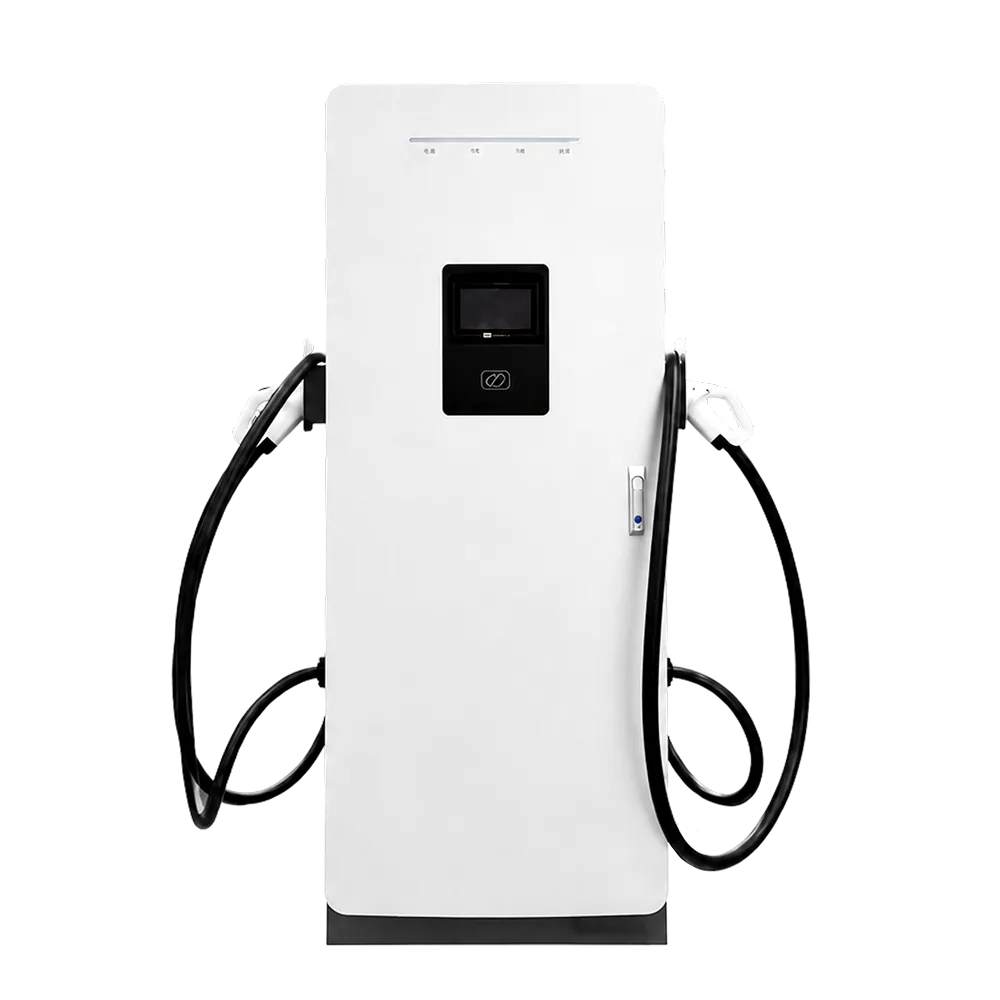
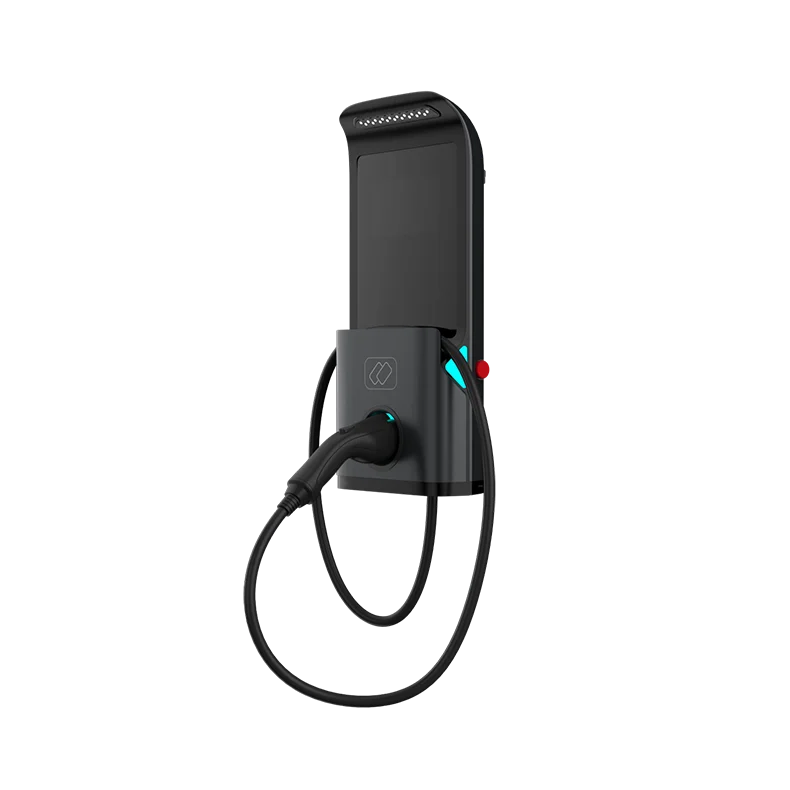
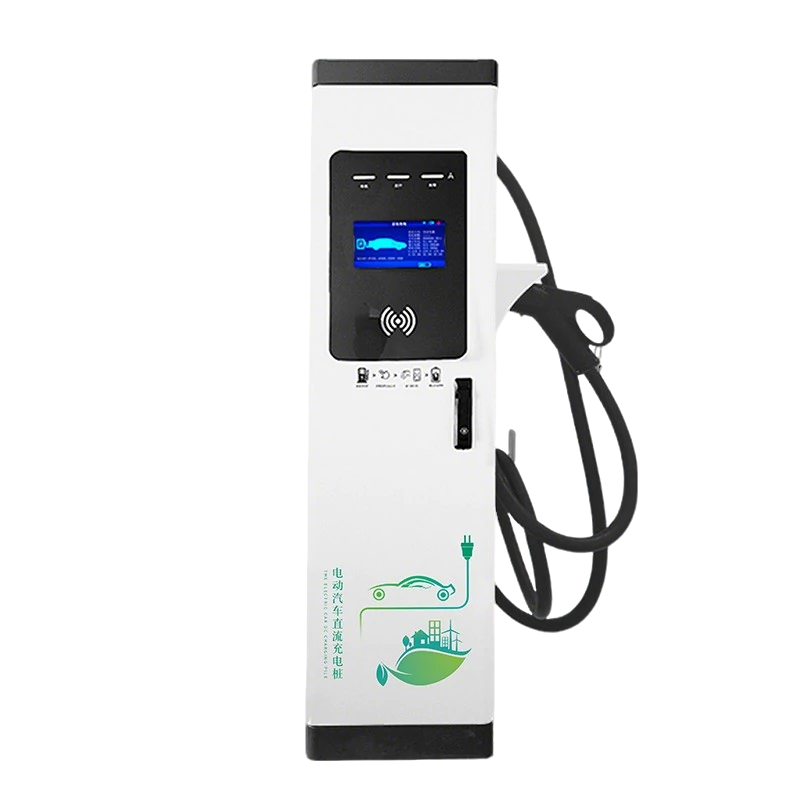
The Klitv 20–40 kW DC fast charger is the entry point for direct-current EV charging — delivering substantially faster session times than AC Level 2 equipment while remaining affordable for operators who need to deploy charging at scale without the grid infrastructure requirements of higher-power units.
At 40 kW output, the charger can add approximately 200–250 km of range to a typical battery-electric passenger vehicle in 30–40 minutes, making it suitable for any deployment where vehicles dwell for 30–90 minutes: retail car parks, public parking stations, automotive dealerships, and light commercial fleet depots.
Technical Design
Power Architecture
The unit operates from a three-phase 380V AC input and converts power internally to DC using a high-efficiency modular power stage. Output power is configurable between 20 kW and 40 kW depending on the installation context and required throughput. The compact 492 × 263.5 × 1568 mm enclosure houses the full power electronics, control system, and HMI in a single floor-standing unit.
BMS Communication
A key differentiator of DC fast chargers compared to AC units is the direct communication channel between charger and vehicle battery management system. The 20–40 kW unit communicates with the vehicle BMS via CAN bus (per GB/T 27930 protocol) to:
- Verify correct cable connection and compatibility before enabling output
- Read the battery’s requested voltage and current limits
- Monitor cell temperature and state of charge in real time
- Safely terminate charging when the battery is full or if a fault is detected
This BMS handshake is not possible on AC chargers, where the vehicle’s OBC manages all battery interaction. It allows the DC charger to deliver power at the highest safe rate the vehicle can accept without relying on the OBC as an intermediary.
Human-Machine Interface
The full touch screen interface provides real-time session data including charging power, energy delivered, session duration, state of charge (where reported by the vehicle BMS), and billing information. The interface supports multiple languages and can be configured with operator branding under OEM arrangements.
Protection Functions
The complete protection suite covers: input overvoltage, input undervoltage, output overvoltage, output short circuit, charger overtemperature, and output current limiting. All protection events are logged with timestamp and fault code for remote diagnostics via CMS.
Deployment and Installation
Grid Requirements
The 40 kW unit requires a three-phase 380V supply with a minimum 80A per-phase supply capacity. A 63A MCB is typically specified as the upstream protection device. Cable run length between the distribution board and charger should be calculated to ensure voltage drop remains within IEC 61851 limits.
Site Selection
The IP54 protection rating supports both indoor basement car parks and outdoor installations with overhead canopy. For fully exposed outdoor installations in coastal or high-humidity environments, IP65-rated models are available — contact our export team.
Multi-Unit Deployments
For sites deploying multiple 20–40 kW units alongside AC chargers, a OCPP-based load management system can distribute available grid capacity across all units dynamically, preventing overload during peak periods. The units’ OCPP 1.6 SetChargingProfile support enables this without additional hardware.
Comparison With AC Level 2
| Parameter | 7 kW AC | 20–40 kW DC |
|---|---|---|
| Charging principle | AC (converted in vehicle) | DC (converted in charger) |
| Range added per 30 min | ~35 km | ~150–250 km |
| Suitable dwell time | 4–10 hours | 30–90 minutes |
| Grid connection | Single-phase 40A | Three-phase 80A |
| Vehicle compatibility | All AC-capable EVs | DC-capable EVs (CCS/CHAdeMO/GB/T) |
| Unit cost | Lower | Higher |